Farmers have been urged to remain vigilant as experts fear the recent weather is threatening an increase in the risk of potato blight disease.
Growers have been told to protect crops against late blight after Hutton Criteria disease warnings were declared in key potato-growing areas.
A Hutton Criteria period occurs after two consecutive days with a minimum temperature of 10°C and at least six hours of relative humidity (90%).
It is used for blight risk reporting to help to support decisions, refine action plans and empower growers against blight.
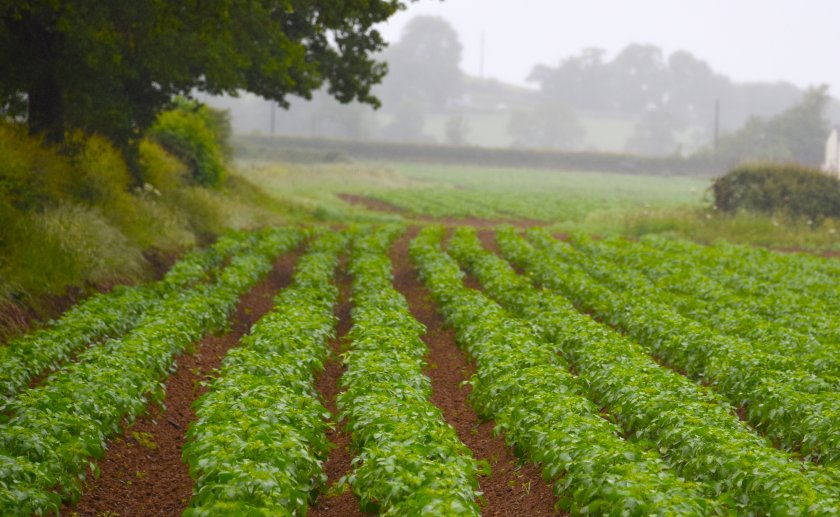
Planting was delayed in many regions following a cold first quarter, so a significant proportion of crops are in the rapid growth phase as the threat of disease climbs higher.
AHDB’s BlightSpy tool indicated the warnings to growers, showing a move into the highest threat level for many counties over the next 72 hours.
Growers across the East, South East and South West of England are on BlightSpy red alert, as are farmers across Wales and South West Scotland.
Late blight remains the single most important potato disease, costing the industry an estimated £50m annually in crop protection chemicals in a typical blight pressure season.
Responding to the warnings, agrochemical giant Corteva Agriscience said farmers should use two applications of Zorvec Endavi to ensure crops 'get off to the cleanest possible start'.
It recommends using two applications of Zorvec in the rapid growth phase, providing a base on which to build a robust programme.
Craig Chisholm, the company’s field technical manager, said this would make managing blight easier across the remainder of the season.
“Regionally some crops have emerged slowly and steadily and will now be expected to dash on in the warmer weather," he said.
"Two applications of Zorvec at the rapid growth phase should be a structural part of most programmes given the current conditions.”