A record number of Cheshire farmers have bid for funding to grow cover crops over winter and help protect water quality.
The online reverse auction allowed farmers, who farm land over important water storage aquifers, to bid for the price they wanted United Utilities to pay them to grow the cover crops based on their price per hectare and the resulting nitrogen saving.
This year 50 fields totalling 246 hectares were entered into the auction, run by online platform Entrade, with the value of bids totalling close to £30,000 - up from £20,000 last year.
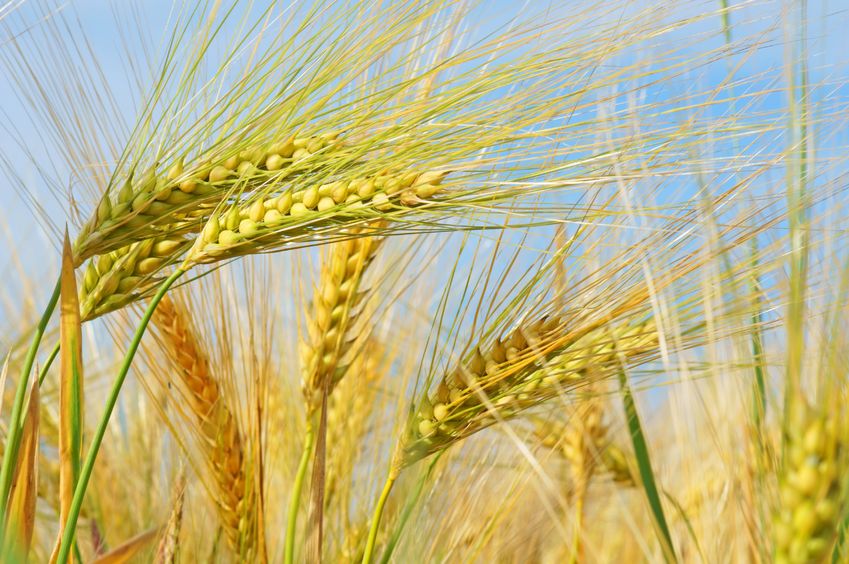
Barley, oats, oil radish, turnip rape and mustard are just some of the crops farmers bid to grow to help take up nitrates remaining in the soil after the summer harvest and prevent them from leaching into the groundwater over winter and affecting water quality.
Last year around 12 per cent of eligible farmers took part in the auction and successfully bid to grow cover crops and save a total of 7,500 kilograms of nitrogen.
This year saw an increase of 56 per cent in the number of fields entered and a 30 per cent rise in the total amount of nitrogen that will be saved this winter.
Cover crops also benefit farmers by cutting fertilizer costs, reducing the need for herbicides and other pesticides, improving yields by enhancing soil health, preventing soil erosion and conserving soil moisture.
A spokesperson for United Utilities said: “Last year’s auction was a huge success but this year’s has been even better. We’re absolutely delighted that so many farmers in our seven safeguard zones have decided to take part.
“We’re looking forward to working with them to help them improve their land quality and save money while at the same time helping to improve raw water quality.”