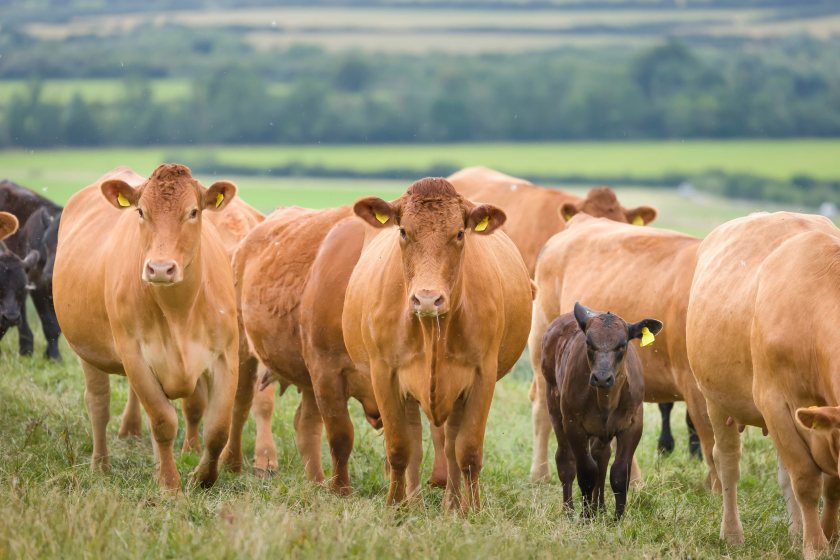
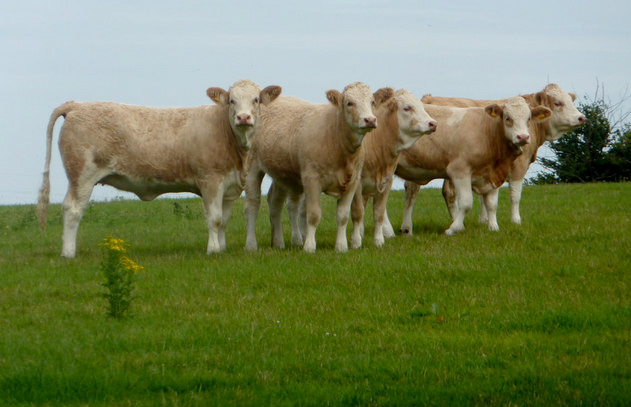
Farmers unable to obtain lungworm vaccine for young cattle this spring are being assured that some strategic worming options can allow the development of natural immunity to minimise the risk of clinical disease outbreaks. Zoetis vet Andrew Montgomery says programmes that allow controlled exposure to worms will enable immunity development.
"One option taken by some farmers already is season-long protection from a single long acting moxidectin treatment," he says.
"The active ingredient is distributed through the bloodstream, so worm larvae need to penetrate the gut wall, thereby stimulating an immune response, before being exposed to the wormer and killed."
Another option, according to Mr Montgomery, is the Autoworm First Grazer pulse-release oxfendazole bolus. At three-week intervals, a dose of wormer is released, killing all the common worms, including lungworm, that cattle may be carrying.
The active ingredient has no residual action so cattle are exposed to worm challenge during each 21 day interval between wormer pulses, thereby stimulating an immune response.
Cattle not yet treated with either pulse-release bolus or long acting wormer can also still be protected throughout the grazing season with a strategic 0.5% moxidectin pour-on regime.
“This treatment offers protection against gastrointestinal worms and lungworm with an eight to 10 week dosing interval," the Zoetis vet explains.
"So one treatment now, another in about two months time, then one up to five weeks pre-housing can provide a worm control protocol for the entire grazing season.
"As well as immunity generated by larvae penetrating the gut wall before being exposed to wormer carried in the blood, the intervals between treatments allow additional exposure to worm larvae for further stimulation of immunity. But before this causes disease, the next treatment kills the larvae."