British farmers are facing a mounting financial squeeze as energy, feed and fertiliser prices soar while farmgate prices have barely risen.
New figures published by Defra on Thursday (26 November) reveal that agricultural input prices increased by 7.6% in the year to September 2026, while output prices rose by just 0.3%.
The figures expose a 7.3 percentage point gap between annual input and output price inflation.
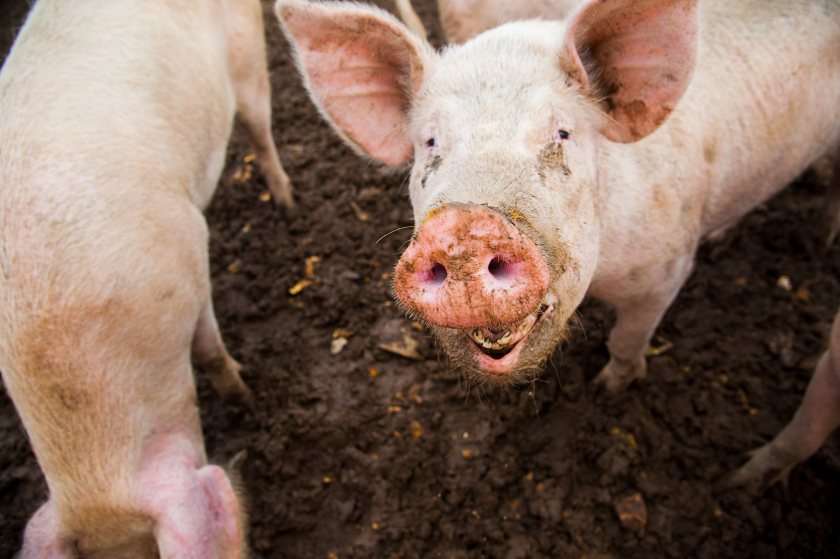
Dairy and pig producers face particularly difficult trading conditions, with milk prices falling by 15.6% year on year and pig prices dropping by 13.5%.
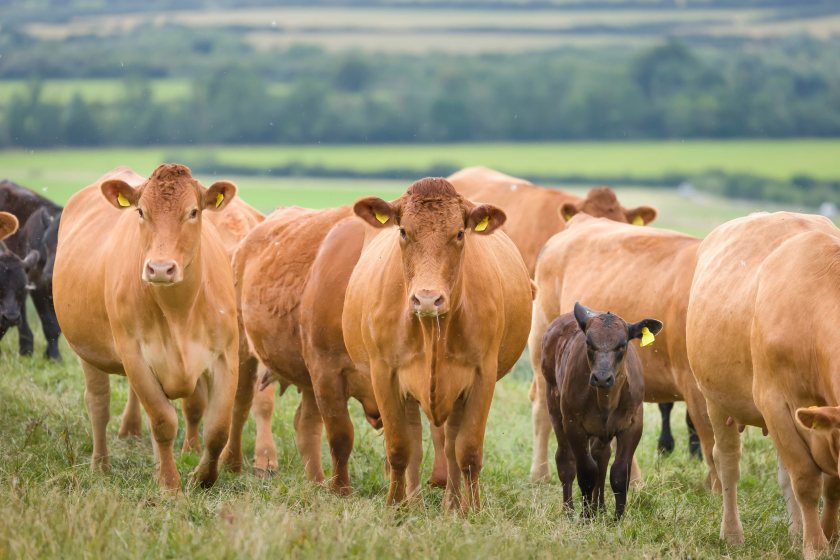
Cattle and calf prices also declined by 3.4%.
Separate analysis from the Agriculture and Horticulture Development Board (AHDB) estimates that producers lost an average of £24.95 per slaughter pig during the third quarter of 2026.
Pig production costs reached an estimated 207p/kg, with rising feed, energy and fuel prices contributing to the increase.
The GB standard pig price subsequently fell to 176.12p/kg in the week ending 14 November, its lowest level this year and more than 24p/kg below year-earlier levels.
Meanwhile, AHDB warned on Wednesday (25 November) that strong global milk supplies and high dairy product stocks were likely to weigh on milk prices in the coming months, despite declining production in Great Britain.
Across the wider agricultural sector, energy and lubricant prices surged by 30.1%, making them the biggest contributor to annual input price inflation.
Straight animal feed prices climbed by 22.7%, compared with a 6.8% increase in overall feed prices.
Fertilisers and soil improvers became 15.5% more expensive, while building maintenance costs increased by 7.2%.
Defra said: “There were no downward contributions to the 12-month inflation rate for agricultural inputs recorded for September 2026.”
However, the figures reveal contrasting fortunes for arable and livestock producers.
Crop prices increased by 11.2% annually, while prices for livestock and animal products fell by 5.7%.
Cereal prices rose by 25.2%, while sheep and lamb prices increased by 8.8%, poultry by 5.4% and eggs by 1.8%.
There were some encouraging signs in September, with farmgate prices recovering by 4.1% compared with August, while input prices increased by a further 0.9%.
However, agricultural input prices remain 37.5% above their 2020 baseline, underlining the sustained increase in farming costs.
Average agricultural output prices for 2026 so far were 3.7% below the 2025 annual average, while input prices were 5.3% higher.
Although the impact varies between individual businesses, the combination of rising production costs and falling prices for key livestock products points to a challenging financial outlook for many farmers heading into 2027.