A fresh outbreak of highly pathogenic bird flu has been confirmed at a commercial duck farm in Lincolnshire, triggering new restrictions on poultry movements and farming activities across a 10km area.
The H5N1 strain of avian influenza was confirmed near Brigg, North Lincolnshire, on Wednesday evening (4 November), according to Defra.
Industry outbreak records indicate that around 64,000 ducks are affected, although the government's official case notification does not specify the number of birds.
A 3km protection zone and a wider 10km surveillance zone have been declared around the premises to help prevent the virus spreading.
All poultry at the affected farm will be humanely culled as part of the disease control measures.
The restrictions bring new legal requirements for poultry farmers, bird keepers and some livestock businesses operating within the designated areas.
Within the 3km protection zone, poultry and other captive birds must be housed, while movements onto or off premises are prohibited unless permitted under licence.
Restrictions also apply to the movement of eggs, poultry meat and other materials associated with poultry production.
Farmers within the affected zones must comply with controls on poultry litter, manure and slurry, including restrictions on spreading and removal from premises.
The wider 10km surveillance zone also brings movement controls, with licences required for certain movements of poultry, captive birds and mammals from premises where birds are kept.
Poultry keepers must maintain appropriate records and follow strict biosecurity requirements, while bird gatherings, including markets, shows and exhibitions, are prohibited within the disease control zones.
The latest confirmation follows another H5N1 outbreak near Biggar in the Scottish Borders on 2 November, which also prompted the introduction of 3km protection and 10km surveillance zones.
It comes just over two weeks after bird flu was confirmed at a commercial free-range poultry farm near Belford, Northumberland, on 19 October.
That case was England's first confirmed poultry outbreak of the 2026–27 bird flu season, following an earlier H5N5 outbreak on the Isle of Lewis in Scotland on 2 October.
Lincolnshire has also experienced previous outbreaks affecting duck production, including cases involving duck breeding farms near Market Rasen and Gainsborough in April.
The latest case comes as veterinary authorities continue to warn poultry producers about the increased risk of bird flu during the autumn and winter months.
Migratory wild waterfowl, including ducks and geese, are returning to the UK for winter, increasing opportunities for the virus to spread between wild birds and kept poultry.
Earlier this autumn, UK Chief Veterinary Officer Christine Middlemiss urged poultry keepers to strengthen disease prevention measures.
"All bird keepers must ensure ongoing robust biosecurity to protect the health and welfare of their birds. Good biosecurity is our best defence against the disease entering kept bird populations," she said.
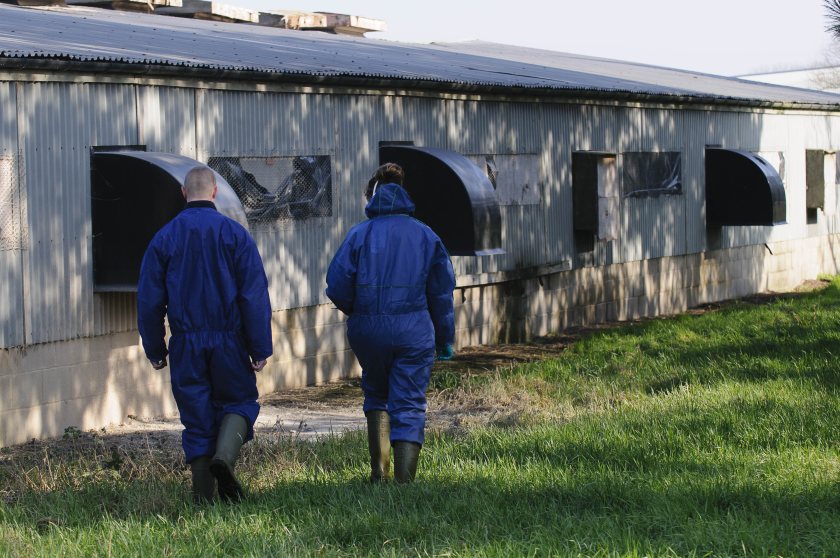
Poultry producers are being advised to minimise contact between their flocks and wild birds, maintain effective cleaning and disinfection procedures, and monitor birds closely for signs of infection.
Ducks and other waterfowl can carry avian influenza without displaying obvious symptoms, making effective surveillance and biosecurity particularly important.
Farmers and bird keepers near Brigg should check the official Defra outbreak notification and APHA's interactive disease control map to establish whether their premises fall within the restricted zones.
Anyone who suspects bird flu in poultry or captive birds in England must report it immediately to the Animal and Plant Health Agency (APHA) on 03000 200 301.
The protection and surveillance zones will remain in force until the required disease control activities and surveillance have been completed and the restrictions are formally amended or lifted.