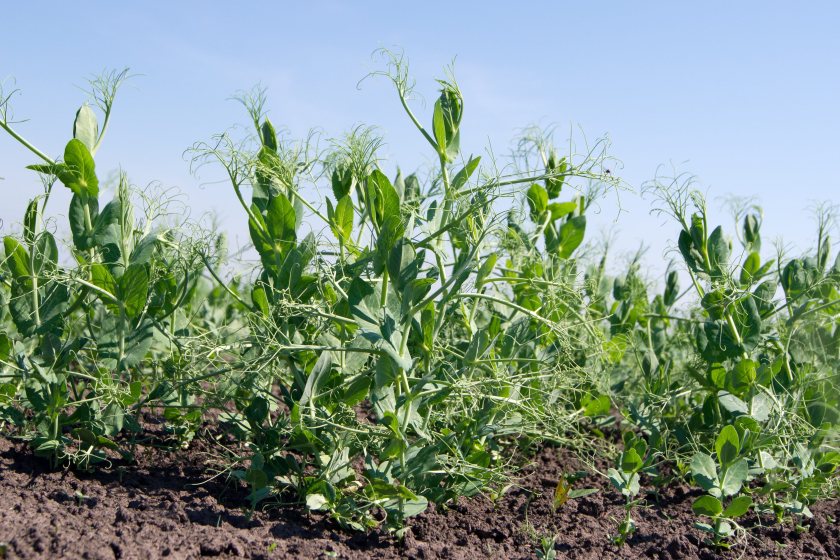
New payments for growing peas, beans and lupins are being demanded by NFU Cymru as the union calls for greater support to expand crop production across Wales.
With just 6% of Welsh farmland currently used for arable or horticultural production, the union says targeted financial support and regulatory reforms could help unlock the sector's potential.
The proposals form part of its new Opportunities for Growth report, launched on Wednesday 11 November, which sets out recommendations to strengthen Welsh crop production, food security and rural businesses.
Among its key demands is a dedicated protein crop payment within the Optional Layer of the Sustainable Farming Scheme (SFS), alongside greater flexibility over habitat requirements for growers.
NFU Cymru wants the Welsh Government to expand the options available for meeting habitat requirements under the scheme's Universal Layer, ensuring arable and horticultural businesses can participate.
NFU Cymru Crops and Horticulture Board Chair Tom Rees described Welsh growers as “some of the most entrepreneurial, sustainable and ambitious in farming today”.
The union argues that greater investment, innovation and supportive agricultural policies could help increase domestic crop production while creating new opportunities for Welsh farmers.
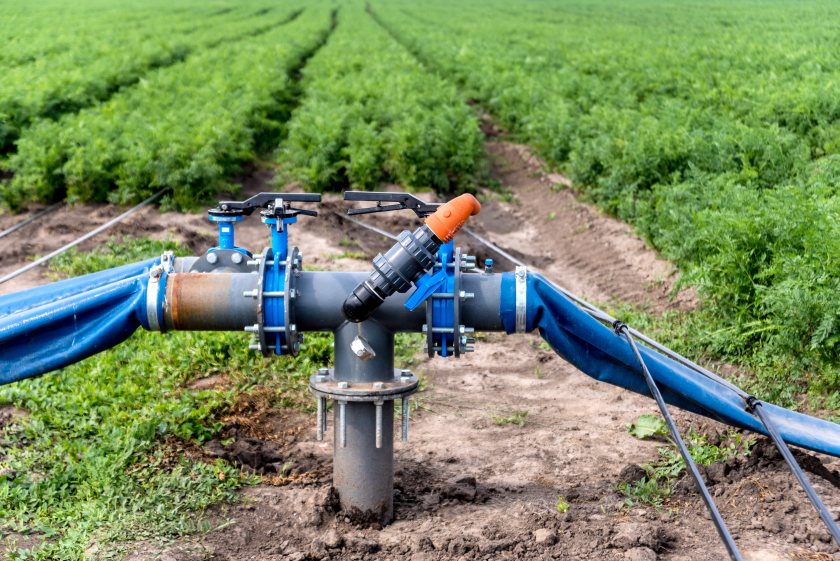
Water management is another major concern, with NFU Cymru calling for planning and regulatory reforms to make it easier for growers to develop on-farm reservoirs.
The report highlights the challenges posed by increasingly unpredictable weather, including periods of heavy rainfall followed by dry conditions.
It argues that capturing and storing rainwater could help farmers maintain crop production during shortages, while also providing environmental habitats and supporting biodiversity.
Rees stressed the urgent need to simplify the processes involved in developing and using water infrastructure on farms.
The report also raises concerns about the potential impact of aligning UK pesticide regulations with European Union rules.
Ahead of the UK-EU summit on 20 November, NFU Cymru is calling for sufficient transition periods under any new Sanitary and Phytosanitary (SPS) agreement.
While closer trading arrangements could reduce bureaucracy and improve access to European markets, the union warns that sudden changes to plant protection product rules could prove costly for Welsh growers.
Rees warned that a “cliff edge” alignment with EU regulations could have serious financial consequences for arable and horticultural businesses.
Beyond government support and regulation, the report identifies opportunities to strengthen local food processing and marketing, helping retain more of the value generated by Welsh produce within rural communities.
It also calls for greater fairness and transparency across agricultural supply chains, ensuring growers receive appropriate returns for the risks and investment involved in food production.
The findings were presented at an event in Cardiff Bay attended by farmers, industry representatives and Members of the Senedd.
NFU Cymru President Abi Reader and James Evans MS, Chair of the Senedd's Climate Change, Environment, Sustainability and Rural Affairs Committee, also attended the launch.
The union believes stronger collaboration between government and industry could help Welsh arable and horticultural businesses expand while supporting rural employment and economic growth.
Rees said the sector had considerable potential to “strengthen food security and support rural communities”, urging the Welsh Government to work with the industry to create the conditions needed for growth.